
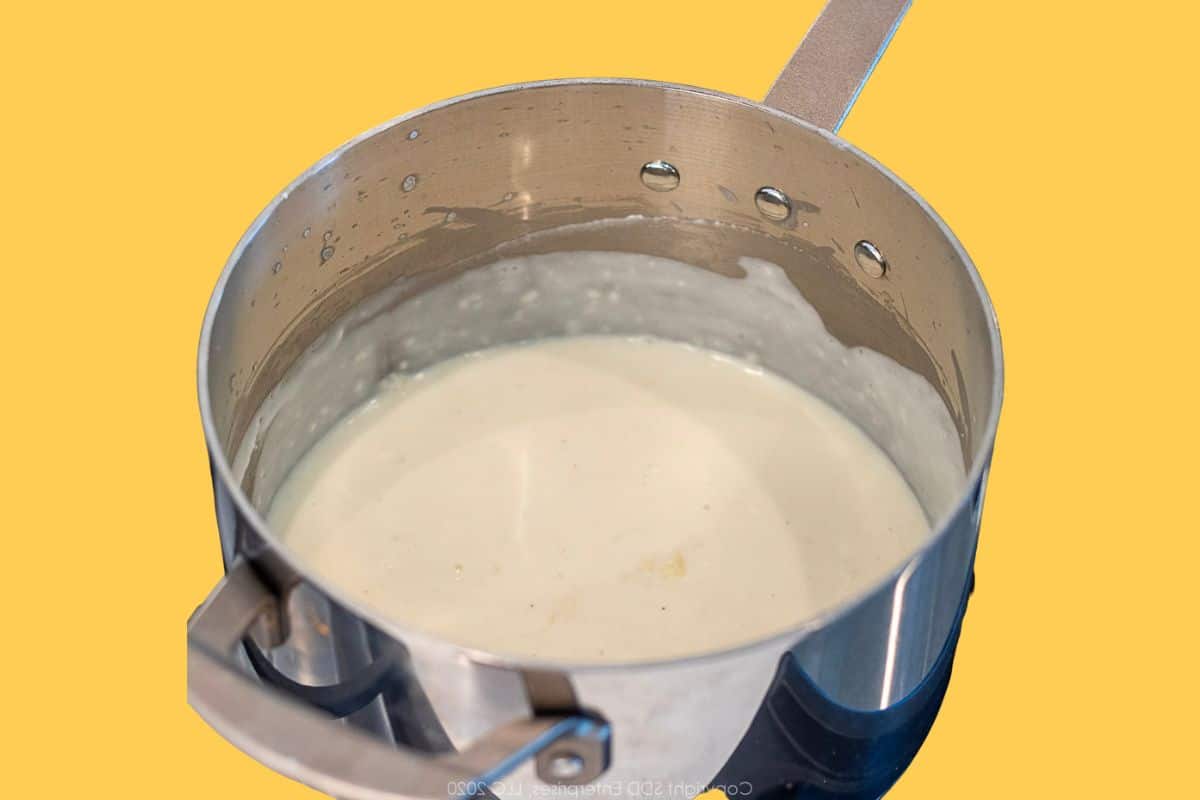
Béchamel Sauce is one of the classic French Mother Sauces-simple, reliable, and endlessly useful. Sweet Daddy D's no-angst version keeps the method straightforward: a light roux, warm milk, and a gentle simmer. Once you master this simple base, you can build casseroles, lasagnas, mac and cheese, or turn it into a rich Mornay with just a handful of grated cheese.
This post is not sponsored, but you will find affiliate links on this page. As an Amazon Associate, I earn from qualifying purchases. The price you pay as a consumer does not change, but I may make a small commission based on your purchase.
Jump to:
Why This Recipe Works (Especially for the Novice Cook)
This béchamel is designed to build confidence and deliver consistent results. The 4-3-2 ratio (4 tablespoons butter, 3 tablespoons flour, 2 cups warm milk) makes the method easy to remember. The quick-cooked white roux removes any raw flour taste, and adding warm milk prevents lumps before they start. Each step gives you control over heat, texture, and seasoning, and once you master this simple sauce, you'll be a stronger, more capable cook overall. A pinch of nutmeg or a fresh herb can add a subtle, targeted layer of flavor. You'll be amazed at how quickly this one simple technique improves the quality of so many dishes.
Sign up for my email notifications of new recipes and posts right HERE.
What Are the Mother Sauces
In traditional French cooking, the "Mother Sauces" are five foundational sauces from which dozens of others are made: Béchamel, Velouté, Espagnole, Hollandaise, and Tomato Sauce. They're building blocks-master them once, and you can create a long list of classic and modern dishes with ease. Béchamel, with its mild flavor and creamy texture, is often the easiest place to start.
Here's What You Need
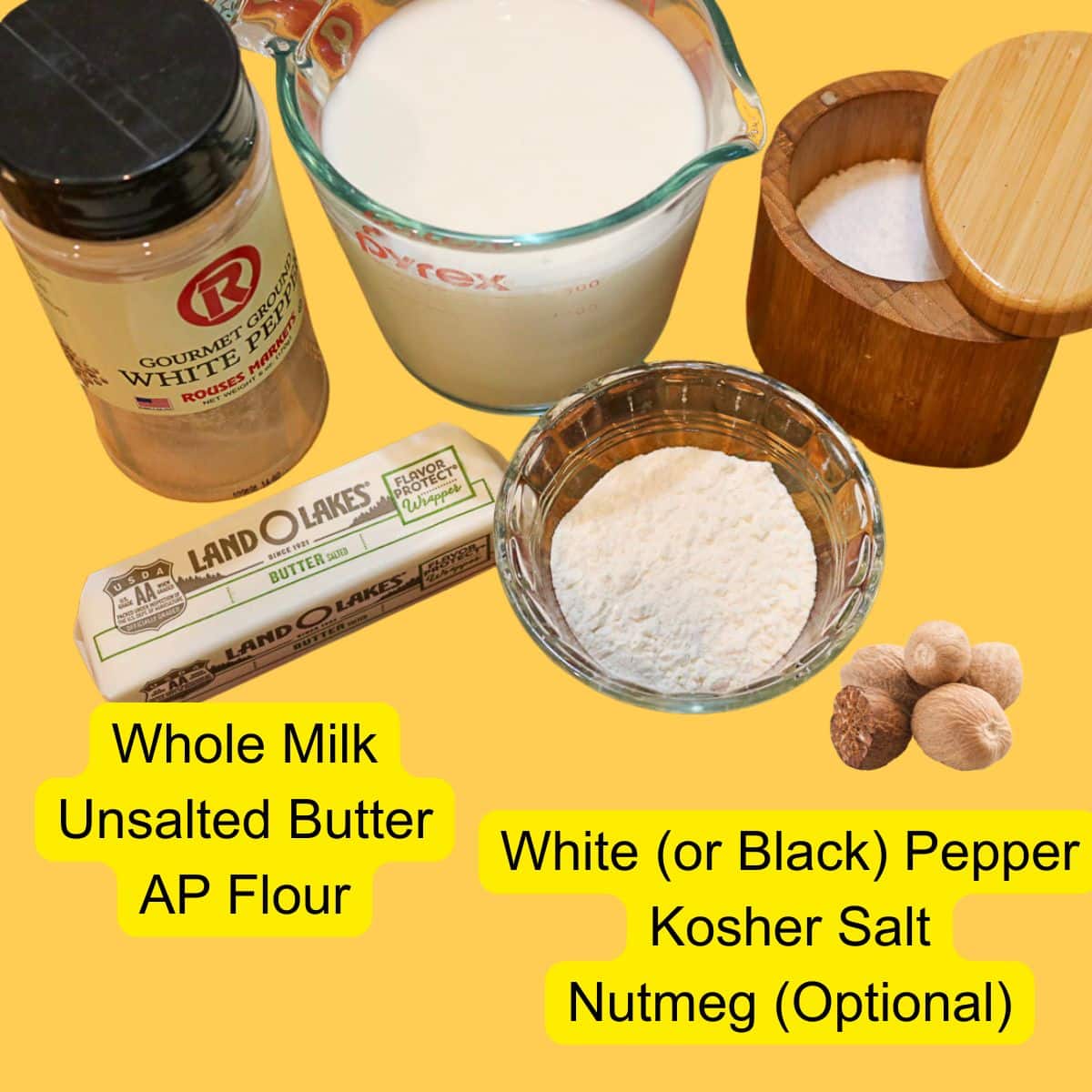
These are the key ingredients used in this recipe. A complete list, with quantities, is included in the printable recipe card at the end of this article.
Ingredient Notes
- Butter: Unsalted butter gives you the cleanest control over seasoning.
- Flour: All-purpose flour works perfectly for a smooth white roux.
- Milk: Whole milk creates the best balance of richness and texture. Warm milk blends more easily into the roux.
- Salt and Pepper: White pepper maintains a classic "white sauce" appearance, but black pepper works fine.
- Nutmeg: Traditional but optional. A small pinch adds depth without overpowering the dish.
Substitutions
Substituting ingredients is sometimes desirable or necessary, but keep in mind that any substitution may impact the flavor profile, cooking time, or nutrition.
- Butter: A mild olive oil can be used, but it will change the flavor slightly.
- Flour: Gluten-free 1:1 blends can work, though the sauce may be slightly thinner.
- Milk: 2% milk for a lighter sauce; Half-and-half for a richer one; Unsweetened oat or almond milk for dairy-free (texture may vary)
- Pepper: Swap white and black pepper freely.
- Nutmeg: Optional; a tiny pinch of allspice works if nutmeg isn't available.
Cookware
A heavy-bottom stainless or enameled saucepan works best for béchamel. (If you're unsure, most good stainless steel or enameled pans with a little weight to them qualify.) The thicker base distributes heat evenly and helps prevent scorching as the sauce thickens. You'll also want a sturdy whisk for smooth incorporation of the milk, and a silicone spatula or wooden spoon for scraping the sides of the pan. No specialty equipment required-just steady, even heat and the right pan.
Hints and Tips (FAQ)
You can prepare it a day ahead. Cool it completely, press plastic wrap onto the surface to prevent a skin, and refrigerate for 4-5 days.
Yes. Freeze it in an airtight container. Thaw overnight in the refrigerator before reheating.
Reheat slowly over medium-low heat while whisking. Add a tablespoon or two of warm milk if it becomes too thick. For stubborn lumps, strain through a sieve.
Béchamel sauce shows up in all kinds of dishes, especially baked pastas like lasagna and macaroni and cheese, as well as casseroles and vegetable gratins. It's the starting point for many other sauces, including cheese sauces. Its mild, creamy base also works beautifully in soups, bisques, and other dishes that need a smooth, velvety foundation.
Here's What You Do
First…you have a beer. That's the secret to no-angst cooking-fun, relaxed, and rewarding. Sip while you read the recipe from start to finish. Then perform your mise en place: gather your ingredients, prep them as they'll be used, and set out your equipment. With everything in place and your mindset right, you're ready to cook with confidence and enjoy the process as much as the meal.
Mise En Place
No-angst cooking continues with mise en place. Before you ever turn on the heat, prep and measure every ingredient exactly as it will be used (chopped, diced, sliced, or minced). When everything's ready to go, most of the work is behind you-and the cooking becomes simple, seamless, and enjoyable.
Simple prep, but make sure to get it done before you light the stove top.
- Measure the AP Flour and butter.
- Place the milk in a measuring cup and warm it in the microwave or on the stove.
Make a White Roux
What happens in this step? The roux is the base that will serve to thicken the sauce. Keep the roux pale; browning it will change both the flavor and color of your béchamel.
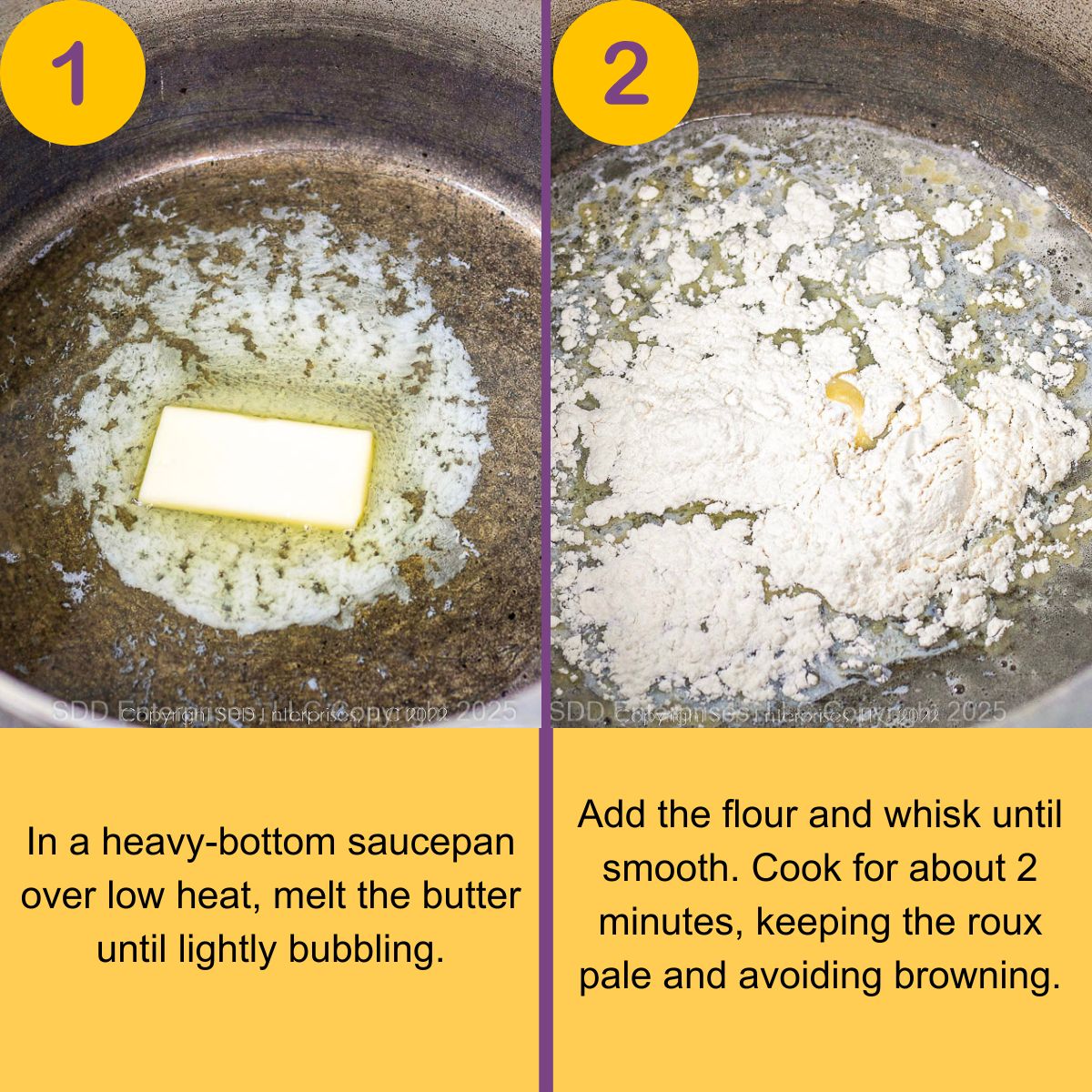
Lagniappe Tip: This roux is for thickening, not color. Two minutes is all you need to cook out the raw flour taste-any longer and it starts to brown.
Warm Milk Makes a Sauce
What happens in this step? Adding warm milk slowly to the roux will create a smooth sauce.
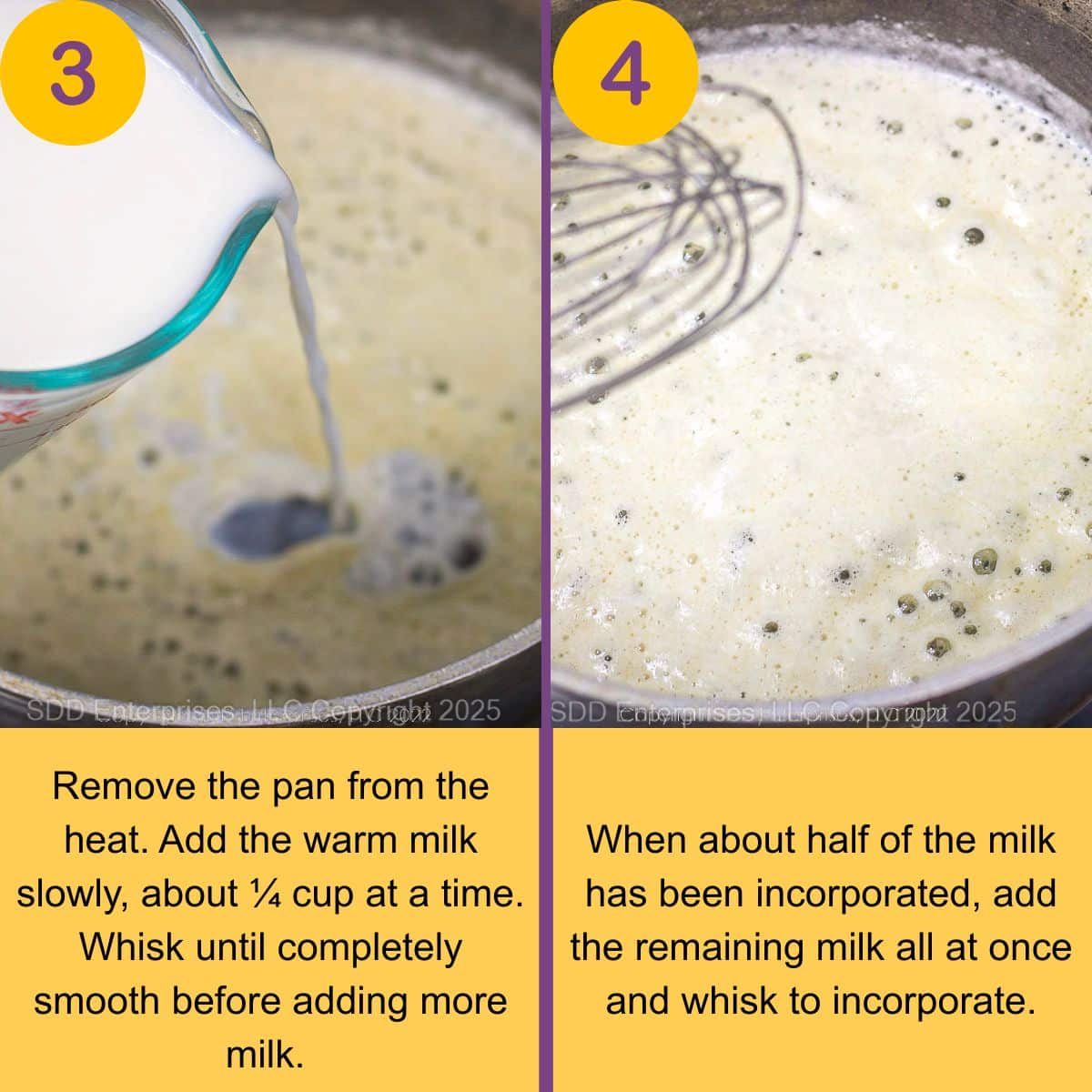
Lagniappe Tip: Lumps form when cold milk hits the roux or when the milk is added too quickly. Use warm milk and add it about ¼ cup at a time, whisking each addition until smooth. Once half the milk is incorporated, you can pour in the rest. Slow additions and steady whisking keep the sauce perfectly silky.
Simmer to Thicken
What happens in this step? A low, slight simmer over low heat will thicken the sauce to your desired consistency.
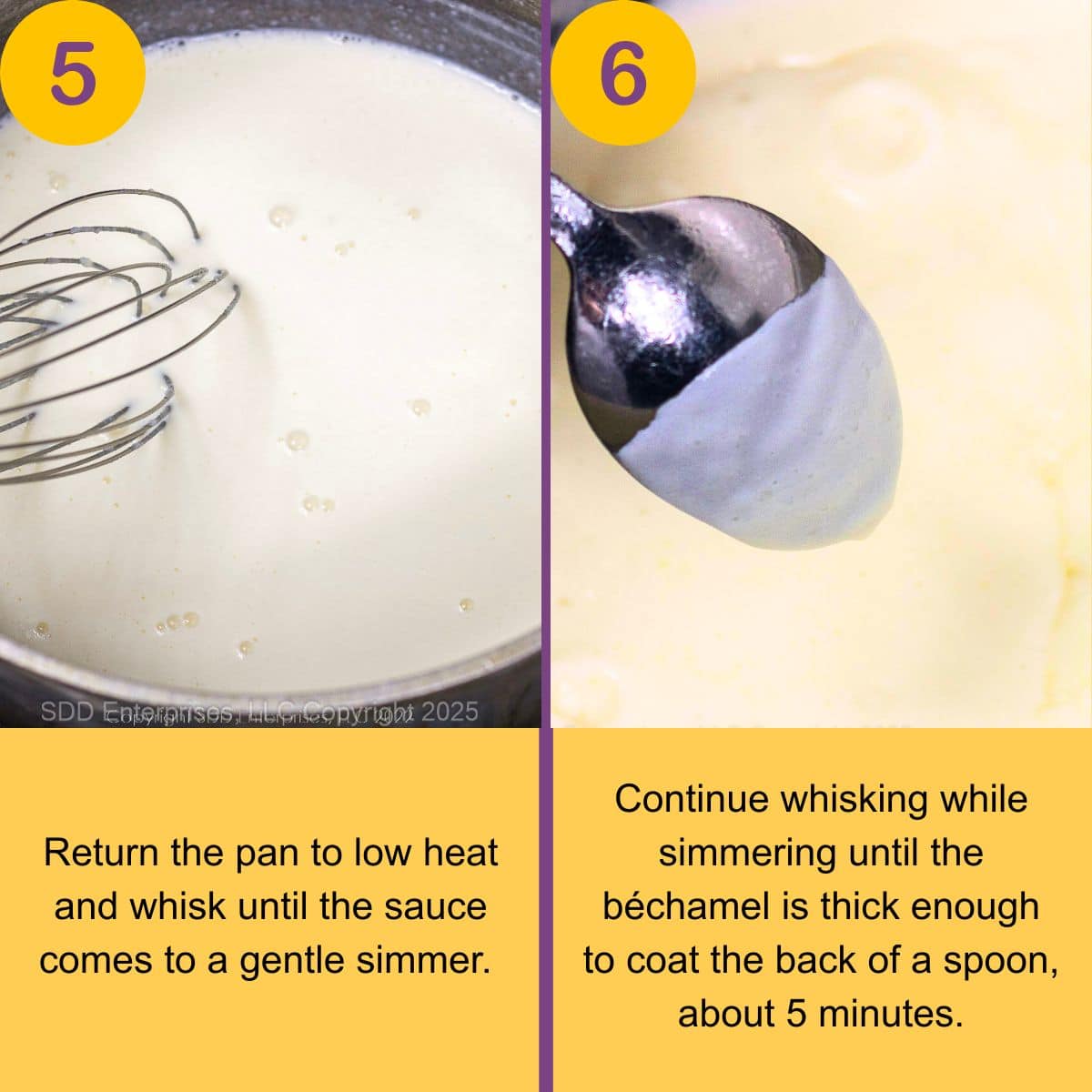
Lagniappe Tip: A gentle five-minute simmer gives you a smooth sauce with just the right body for most recipes. Only simmer longer if you need a thicker, heavier béchamel.
Sign up for my email notifications of new recipes and posts right HERE.
Serving Suggestions (Where to Use This Sauce)
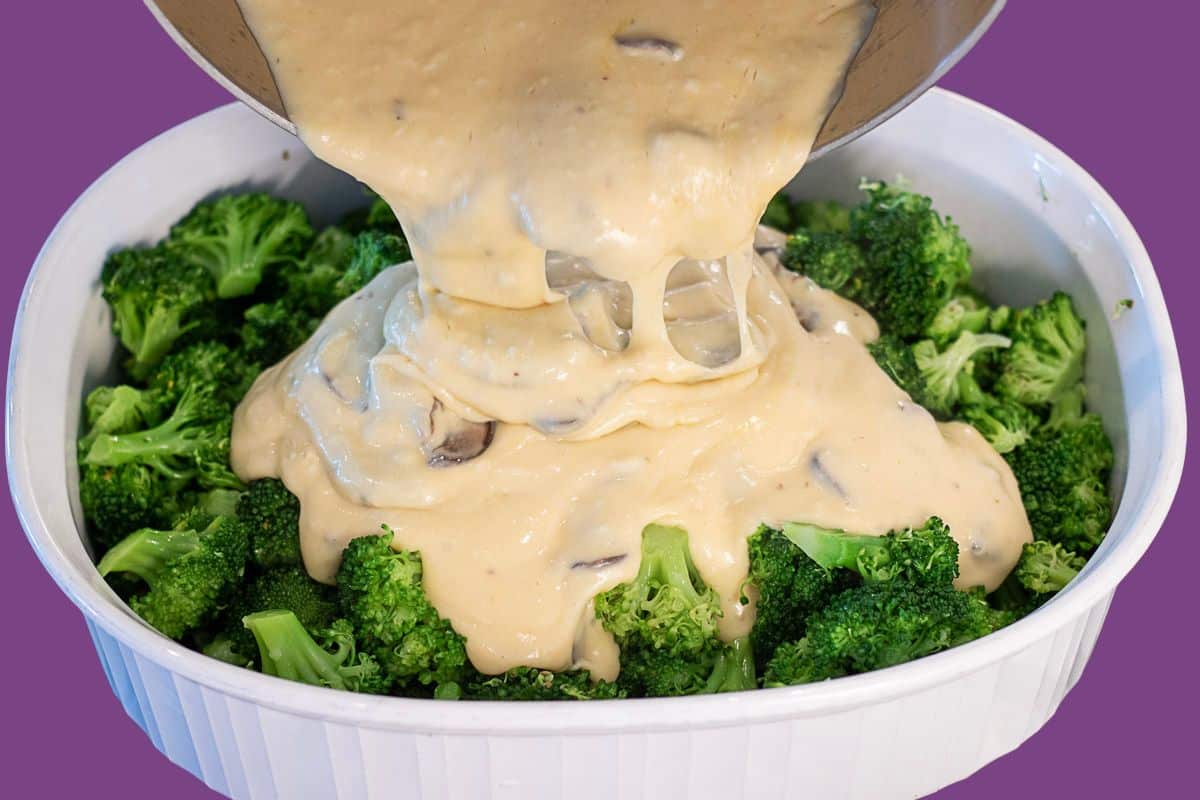
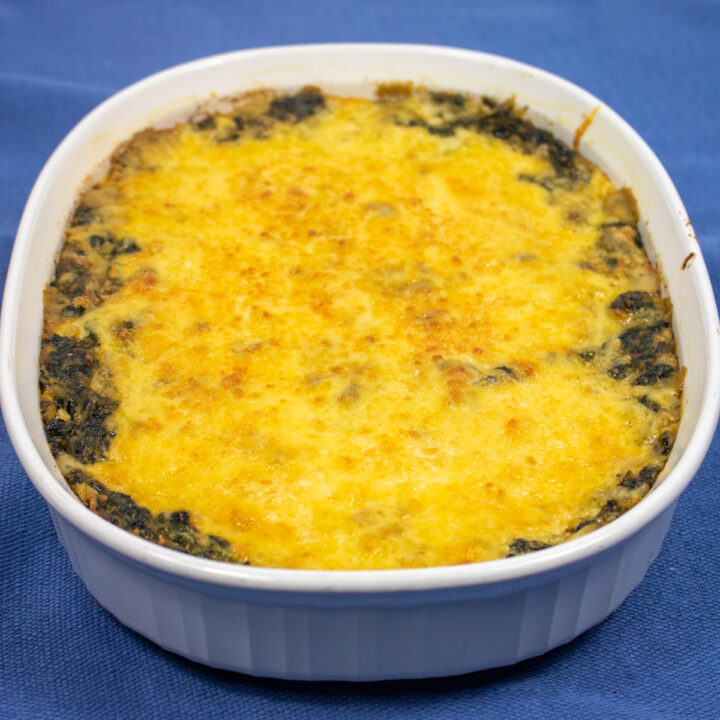
Béchamel is one of the most versatile sauces in the culinary world. Use it as the base for mac and cheese, baked pasta, vegetable casseroles, lasagna, gratins, or any recipe that benefits from a creamy binder. Add cheese to turn it into a Mornay sauce-perfect for your Broccoli Cheese Casserole or any au gratin style dish.
Béchamel is the base of many comfort-food favorites. Here are a few Sweet Daddy D recipes that start with this classic sauce:


Storage Tips
Béchamel keeps well if stored properly.
- Let the sauce cool, then press plastic wrap directly onto the surface to prevent a skin from forming.
- Refrigerate for 4-5 days.
- To reheat, warm it slowly over medium-low heat while whisking.
- If the sauce thickens too much, add a splash of warm milk.
- If any lumps appear, whisk vigorously or strain the sauce through a sieve.
- The sauce also freezes well for up to 3 months in an airtight container.
Tell Us About It!
Tried this recipe? ⭐⭐⭐⭐⭐ Leave a 5-star rating and a comment below!
📧 Sign up for email updates so you never miss one.
📸 Share a pic on social and tag us-we'd love to see it!
Yeah You Right!
Publisher's Note: Originally published in 2018, this post has been completely updated with new photos, clearer instructions, an improved step-by-step guide, and fresh FAQs. The recipe itself has not changed.
Recipe
Béchamel Sauce
Here's What You Need
- 4 tablespoons Butter
- 3 tablespoons all purpose flour
- 2 cups whole milk warmed
- kosher salt
- fresh ground pepper optional
- Grated nutmeg optional
Here's What You Do
- Warm the milk in a small saucepan or in the microwave until it's steaming but not boiling. Set it aside.
- In a heavy-bottomed saucepan over low heat, melt the butter until it gently bubbles.
- Add the flour and whisk until the mixture is smooth. Keep whisking for about 2 minutes to cook out the raw flour taste. The roux should stay pale and not turn brown.
- Turn off the heat. Add about ¼ cup of warm milk and whisk until completely smooth. Add another ¼ cup, whisking again until smooth.
- Continue adding the milk in small amounts until half of it has been incorporated. Once the sauce is loose and smooth, add the remaining milk all at once and whisk to combine.
- Return the pan to low heat. Whisk constantly until the sauce comes to a gentle simmer. Cook for about 5 minutes, or until the sauce thickens enough to coat the back of a spoon.
- Season with kosher salt, white or black pepper, and nutmeg (if desired).
Recipe Notes
If it gets too thick: add a splash of warm milk.
If it starts to brown: lower the heat; the sauce will still work. This recipe makes about 2 ½ cups of sauce Refrigerate leftover sauce for 4–5 days. Reheat gently over medium-low heat, whisking until smooth. If it’s too thick, add a splash of warm milk. Whisk out any lumps—or strain if needed. Béchamel also freezes well in an airtight container.
Nutrition Estimate

It's Me!
Louisiana is a wonderful place where the rich cultural heritage enriches and entertains. I'm Dave Howson, aka Sweet Daddy D. I'm glad you found my website and I look forward to exploring the cultural mosaic of Louisiana with you…
read the "It's Me" page to find out more about me and this website…
Joey Bergeron says
Preparing to cook for a group. Can I just double the recipe or should I make two batches? If doubling the recipe any adjustments in ingredient quantities?
Thank you
Sweet Daddy D says
Hey Joey,
You should be able to double the recipe without problem as long as you have a large enough saucepan to whisk it comfortably. That would only make approximately 4 cups of sauce. As far as adjusting the ingredient quantity, start with a stick of butter and 6 tablespoons of AP flour. Warm 4 cups of milk, but add it slowly and you'll need to decide if you use all of it or not. (You may even add a little more milk.) The sauce doesn't thicken until it simmers for a few minutes, so just be cautious at the end. You can add more milk after it simmers for a few minutes if it's too thick; if it's too thin, simmer it a little longer. Good luck, let me know how it turns out.