
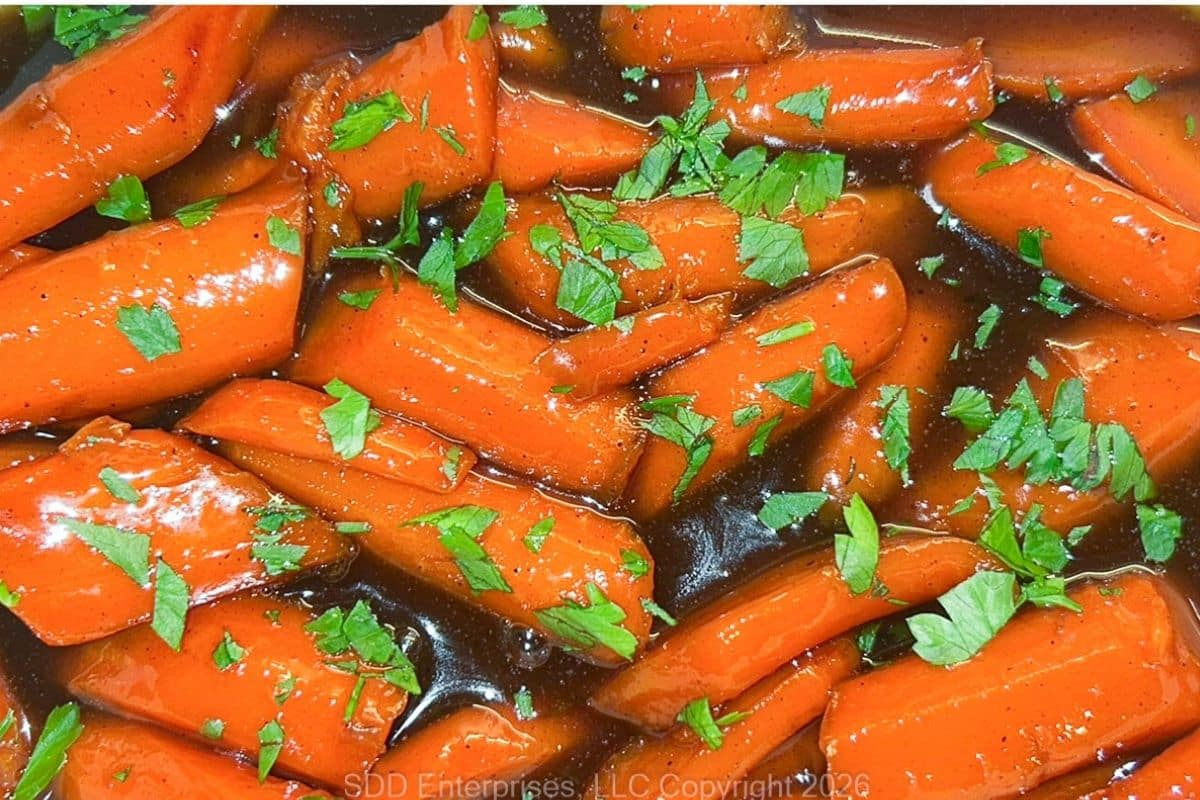
Cane-Glazed Carrots transform simple ingredients into a rich, glossy side dish with balanced sweet and savory flavors. Carrots simmer gently in butter, cane syrup, thyme, and warm spice until coated in a silky glaze brightened with cane vinegar. This one-skillet recipe balances sweet and savory flavors, avoiding the overly candy-like character of some glazed carrot recipes.
I participate in the Amazon Affiliate Program, which allows me to offer suggested tools, ingredients, and equipment that will help you make my recipes. You will find affiliate links throughout my site that I think will be helpful to you. As an Amazon Associate, I earn from qualifying purchases. This does not affect the price you pay as a consumer, but I may make a small commission based on your purchase.
Jump to:
In South Louisiana, Side Dishes Matter
In South Louisiana kitchens, side dishes are never an afterthought. The sides you choose help define the meal and can turn a simple supper into something memorable. Creamed spinach feels more special than plain spinach; glazed carrots bring more personality to the plate than boiled carrots. Cane-Glazed Carrots add color, richness, and balance that fit just as naturally alongside a weeknight roast chicken as they do on a holiday table. Sometimes, it's the side dishes people remember most.
Here's What You Need
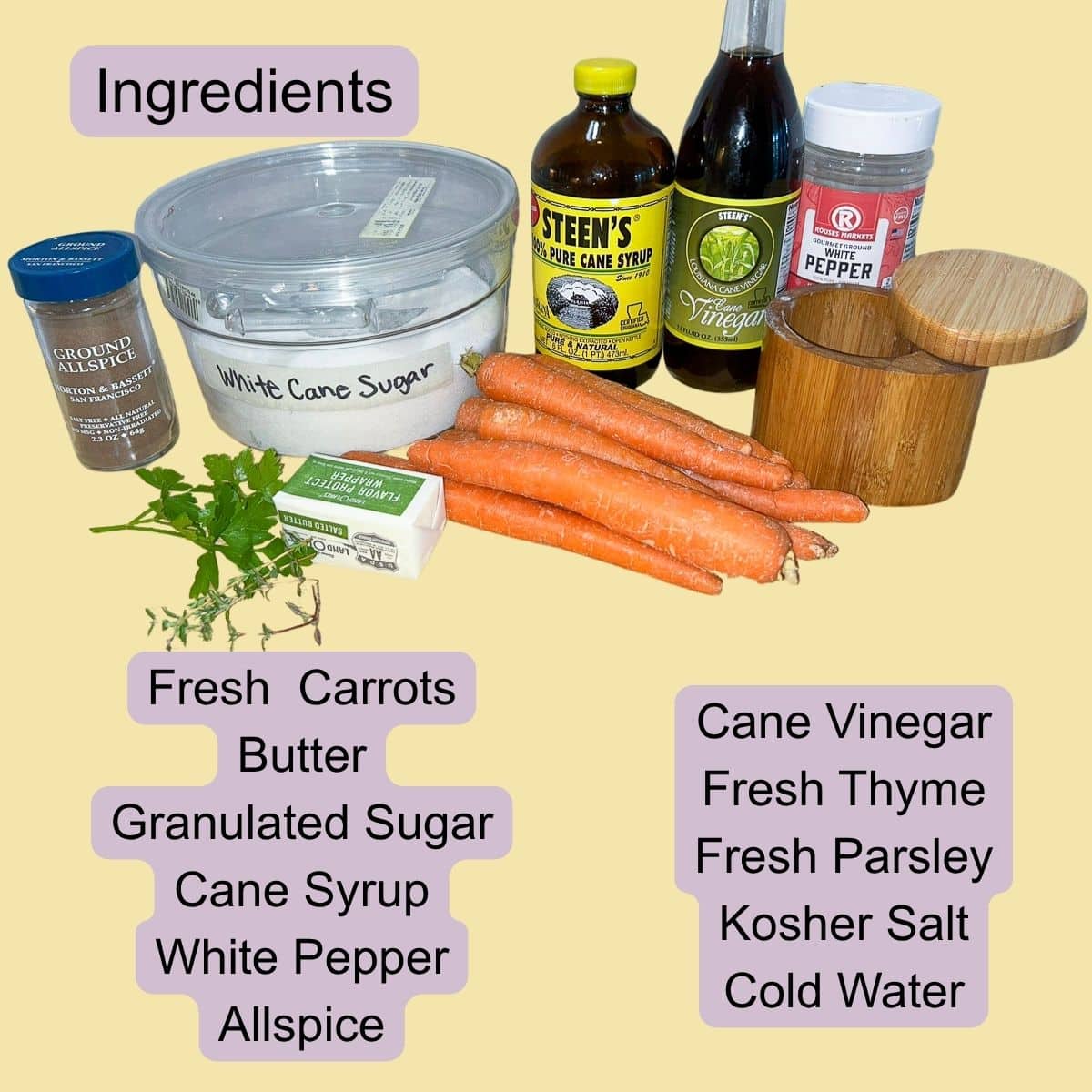
Here are some of the key ingredients for this recipe. A complete list of ingredients with quantities can be found in the printable recipe card:
Ingredient Notes
- Carrots: Whole carrots, cut into even pieces to cook evenly. Multicolored carrots add visual appeal. Substitutes: Baby carrots or sweet potatoes.
- Cane Syrup: Cane syrup adds rich caramel flavor and a distinct Louisiana touch. Substitute: Dark corn syrup, molasses, or mild maple syrup.
- Cane Vinegar: Cane vinegar balances the sweetness and brightens the glaze. Substitute: Apple cider vinegar, champagne vinegar, or fresh lemon juice.
- White Pepper: White pepper adds gentle heat without black specks in the glaze. Substitute: Black pepper.
- Ground Allspice: Allspice adds subtle warmth without making the dish taste overly sweet. Substitute: A pinch of cinnamon and nutmeg.
- Fresh Thyme: Thyme adds mild herbal depth while the carrots simmer. Substitute: ½ teaspoon dried thyme, marjoram, or savory; avoid strong herbs.
- Cold Water: Cold water softens the carrots without competing with the cane glaze flavors.
Lagniappe Tip: Cold water, as opposed to hot water, eases the carrots into cooking, protecting their tenderness. It slowly softens the carrots without influencing the carrots' and cane syrup's flavor party.
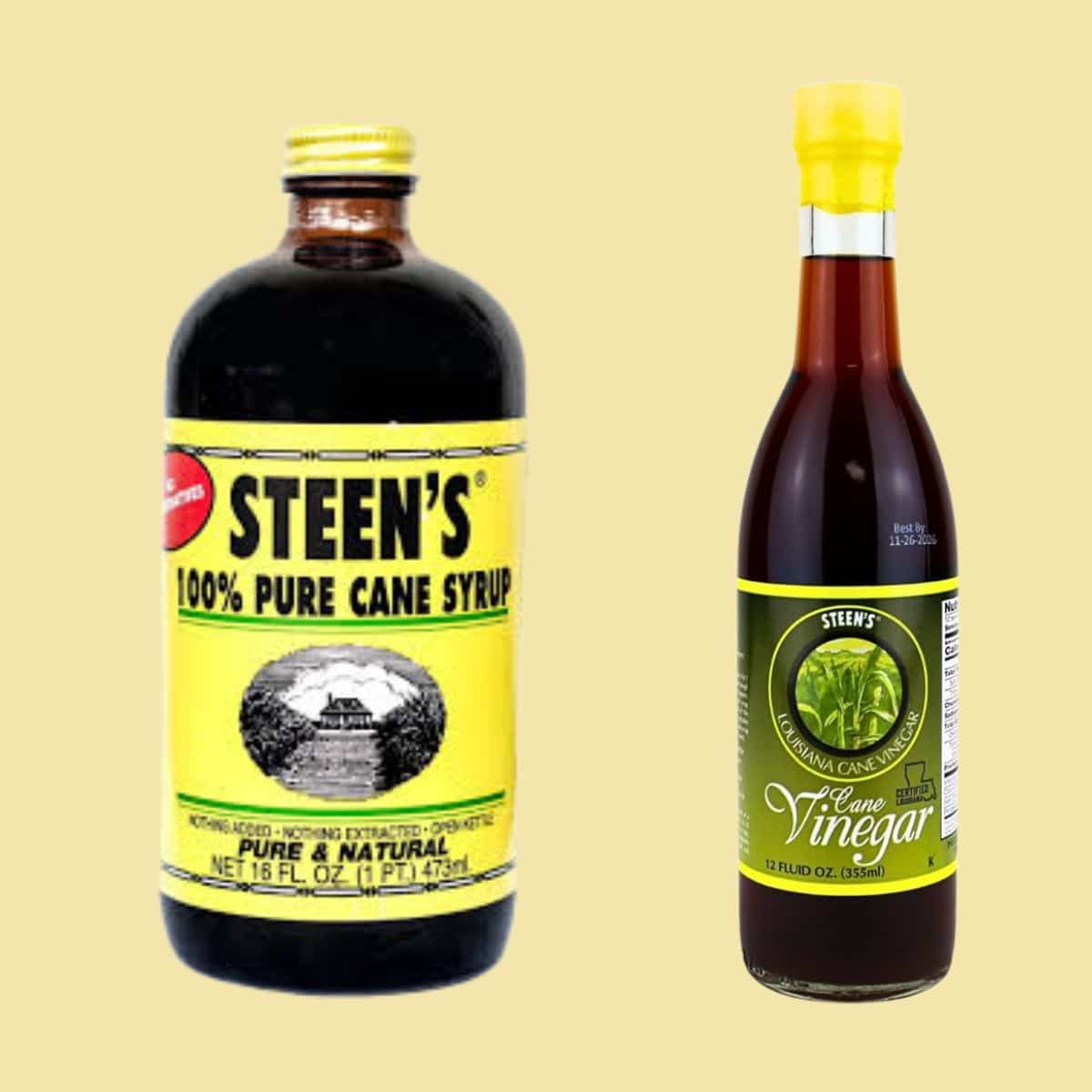
Want authentic Louisiana flavor? Cane syrup and cane vinegar are classic Louisiana pantry staples that give this recipe its signature balanced glaze. Get Yours Here!
Sign up for my email notifications of new recipes and posts right HERE.
Cookware
This is a one-skillet side dish that delivers balanced sweet and savory flavors. I recommend a high-sided skillet with a lid that is wider than it is tall, rather than a saucepan. The wider pan requires less water and promotes faster reduction, helping develop a glossy glaze in the same amount of time it takes to cook the carrots. Other than that, you'll only need your usual prep equipment.
Hints and Tips (FAQ)
Yes. Make the recipe up to one day ahead and refrigerate. Reheat gently in a skillet over low heat with a splash of water to loosen the glaze.
A wide skillet promotes faster reduction, which helps develop a glossy glaze without overcooking the carrots.
The glaze should be syrupy and lightly coat the carrots instead of looking watery. Drag a spoon across the skillet; the glaze should briefly hold its path.
Yes, but whole carrots cut into even pieces generally provide better flavor and texture.
They are balanced between sweet and savory. The cane vinegar, thyme, white pepper, and parsley keep the glaze from becoming overly sweet.
Here's What You Do
First…you have a beer. That's the secret to no-angst cooking-fun, relaxed, and rewarding. Sip while you read the recipe from start to finish. Then perform your mise en place: gather your ingredients, prep them as they'll be used, and set out your equipment. With everything in place and your mindset right, you're ready to cook with confidence and enjoy the process as much as the meal.
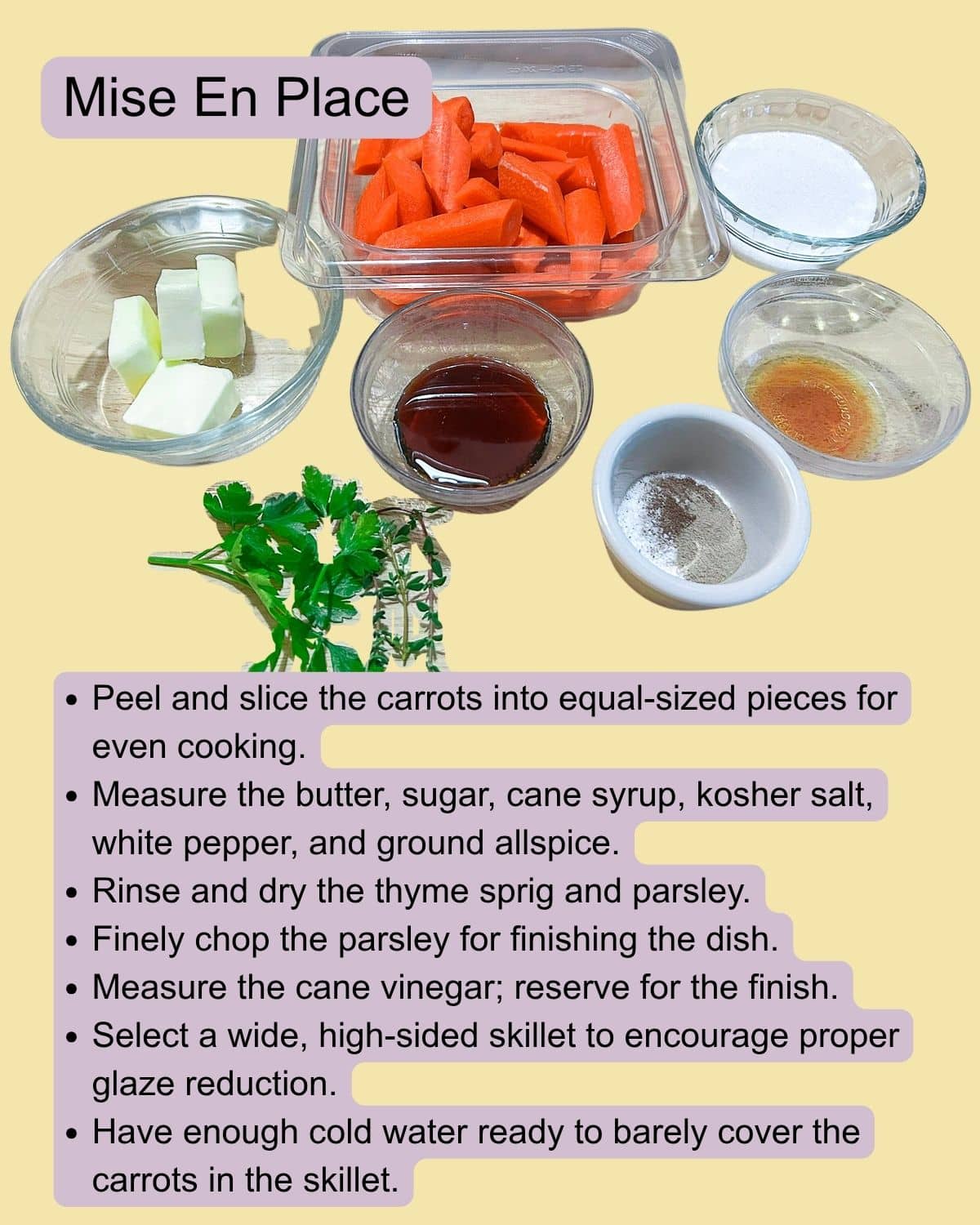
Mise En Place
No-angst cooking continues with mise en place. Before you ever turn on the heat, prep and measure every ingredient exactly as it will be used (chopped, diced, sliced, or minced). When everything's ready to go, most of the work is behind you-and the cooking becomes simple, seamless, and enjoyable.
Build the Glaze and Start the Carrots
What Happens in This Step? The butter, sugar, cane syrup, and water begin forming the base of the glaze while the carrots gently soften and absorb flavor.
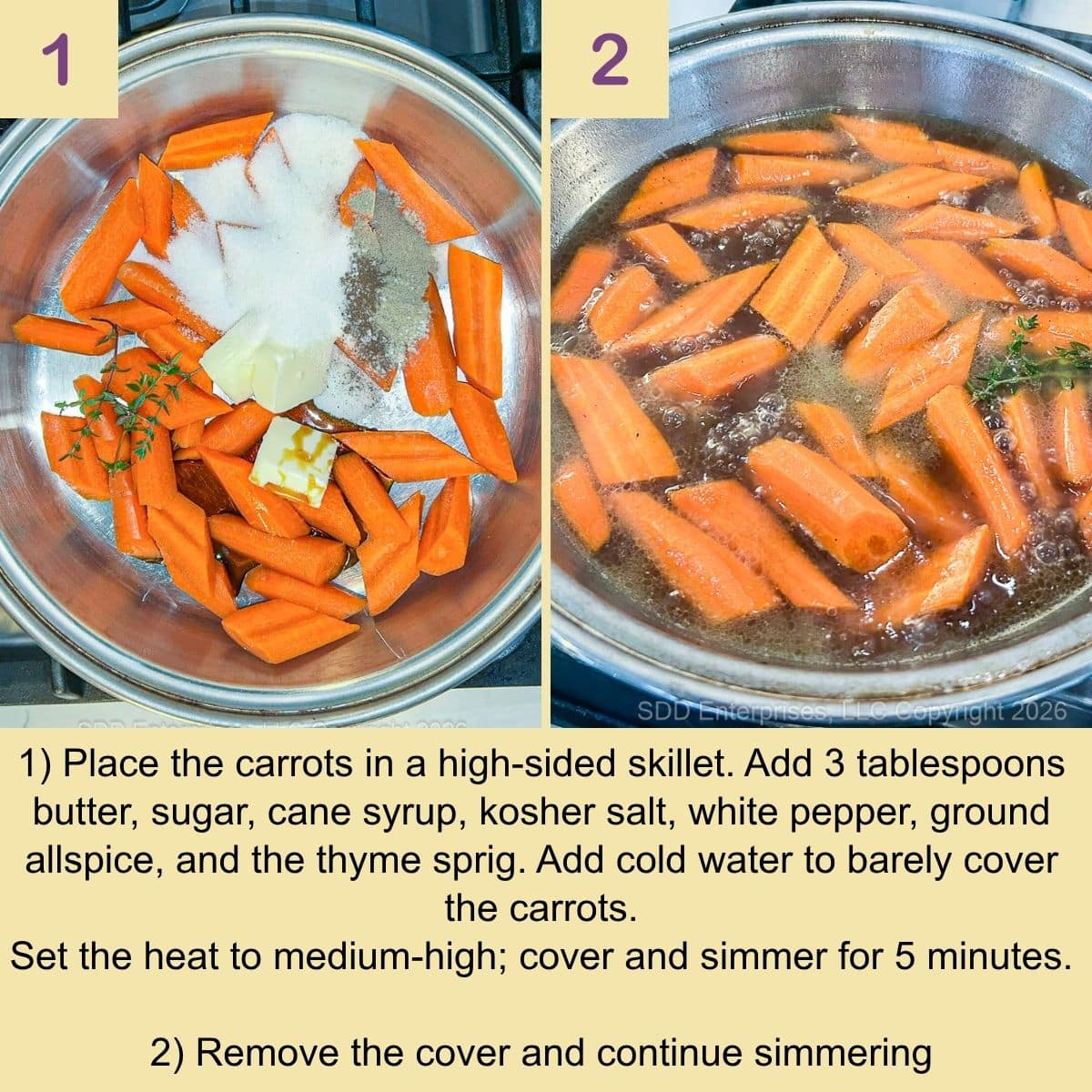
Lagniappe Tip: Keep the water level low. Too much water slows the reduction and can overcook the carrots before the glaze develops properly.
Reduce the Glaze and Finish the Carrots
What Happens in This Step? As the liquid reduces, the glaze thickens and becomes glossy while the carrots finish cooking until tender with slight firmness remaining.
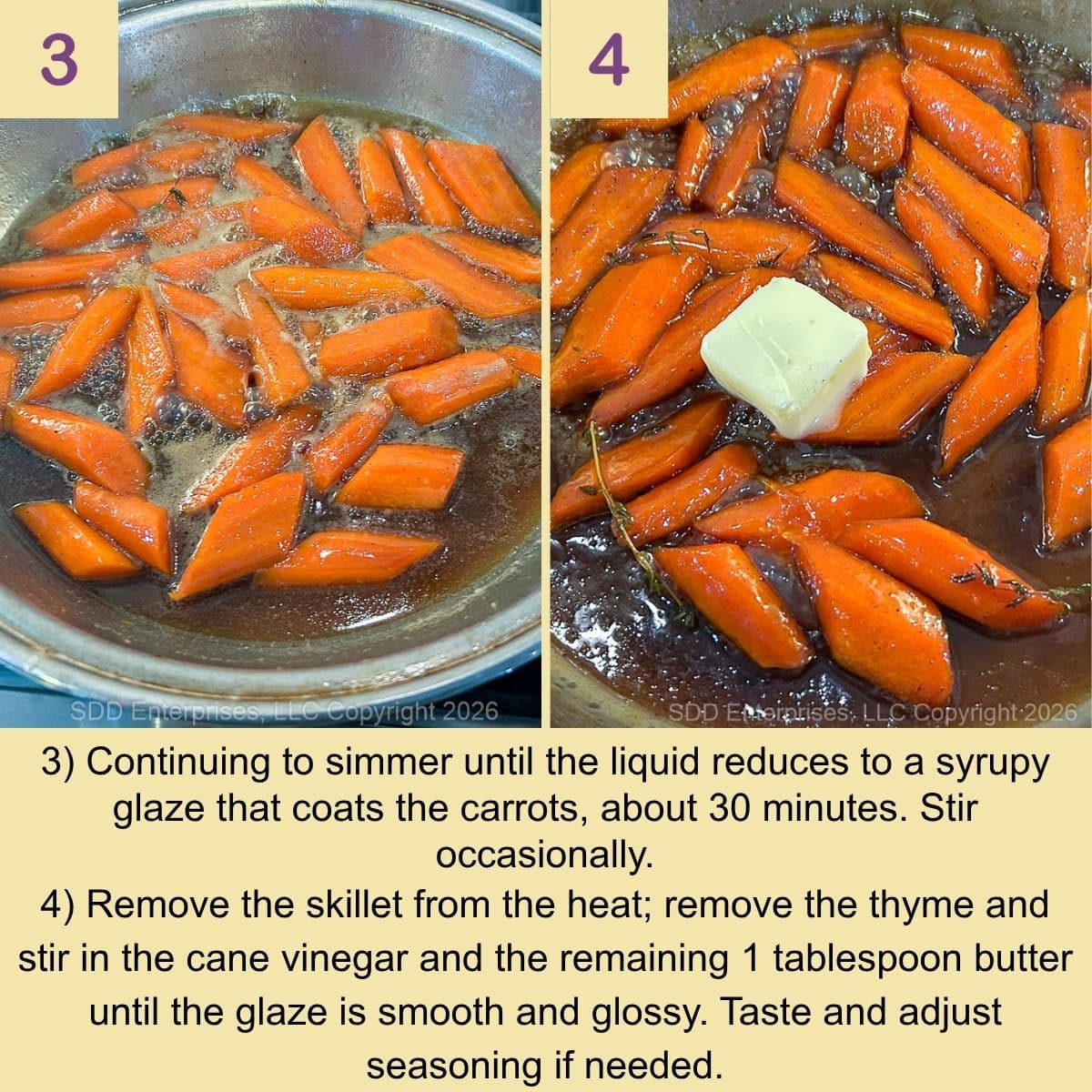
Lagniappe Tip: When sugar, butter, and water reduce together, you're essentially building a light caramel glaze. Too much sugar doesn't just make it sweet-it makes the glaze thicker and heavier than it needs to be.
Sign up for my email notifications of new recipes and posts right HERE.
Serving Suggestions
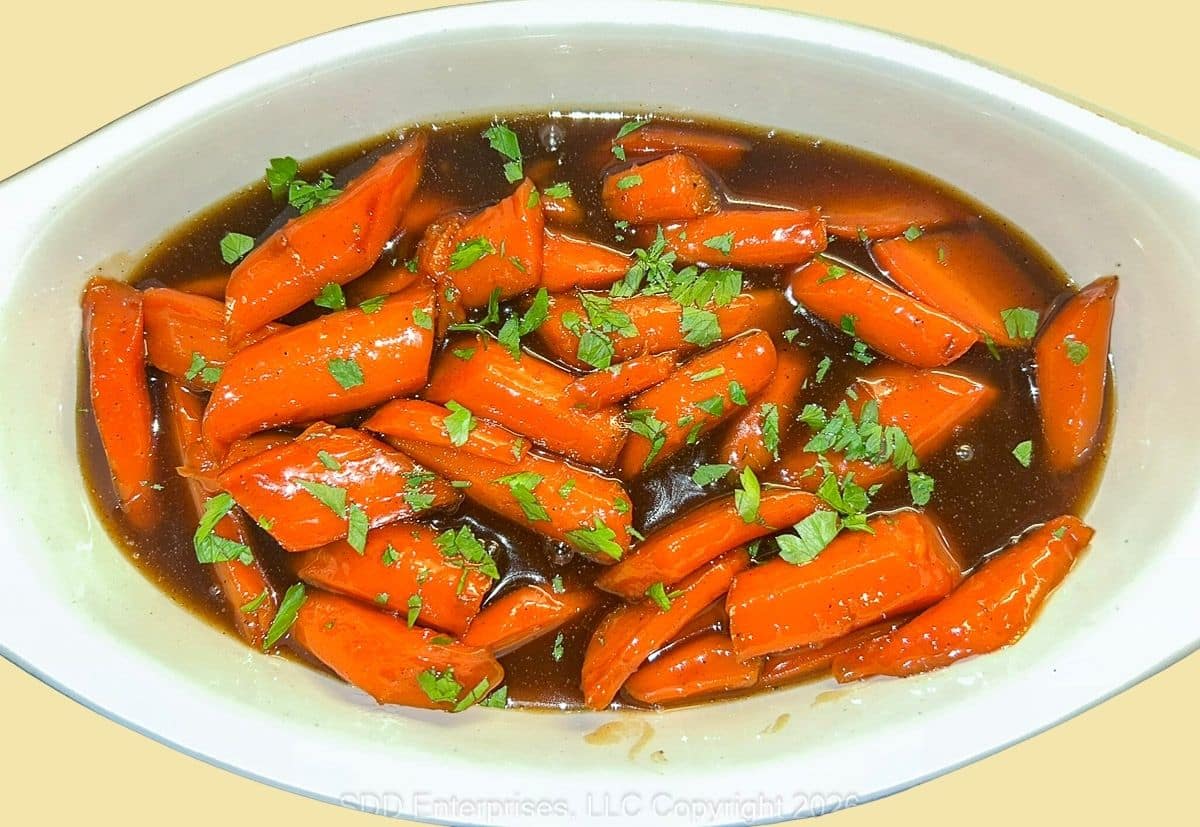
- These Cane-Glazed Carrots make an excellent holiday side dish for turkey, ham, or roast beef. Serve alongside roast chicken, pork loin, baked ham, turkey, or braised beef.
- For a South Louisiana-style plate, pair them with baked ham, rice dressing, or smothered green beans.
- The subtle sweetness and glossy glaze also complement richer dishes like duck, short ribs, or beef roast.
- For holiday meals, these carrots fit naturally alongside dressing, casseroles, and roasted vegetables.
Looking for Other Great Side Dishes?
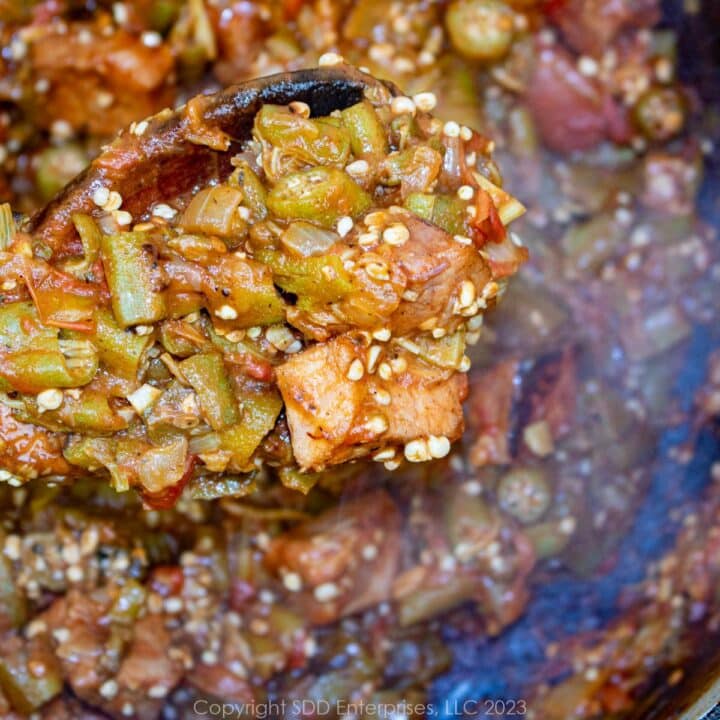
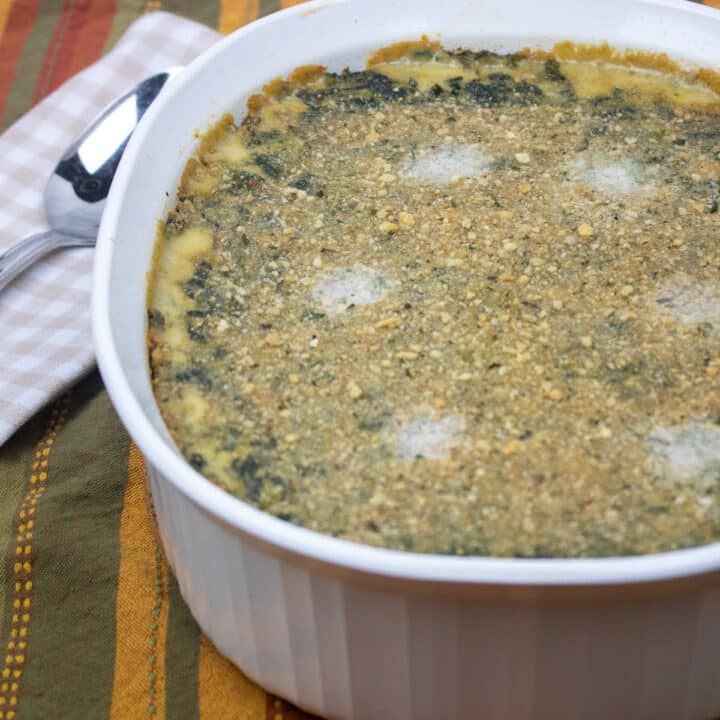
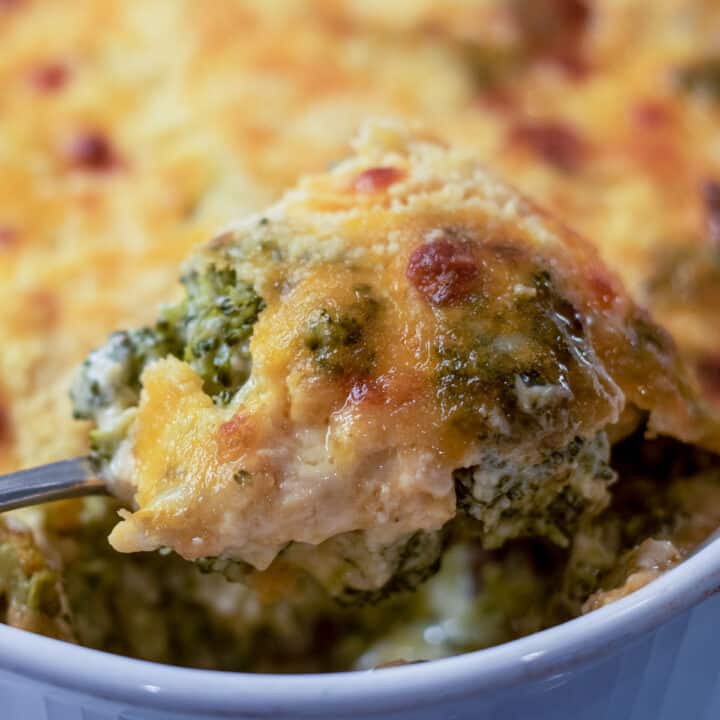
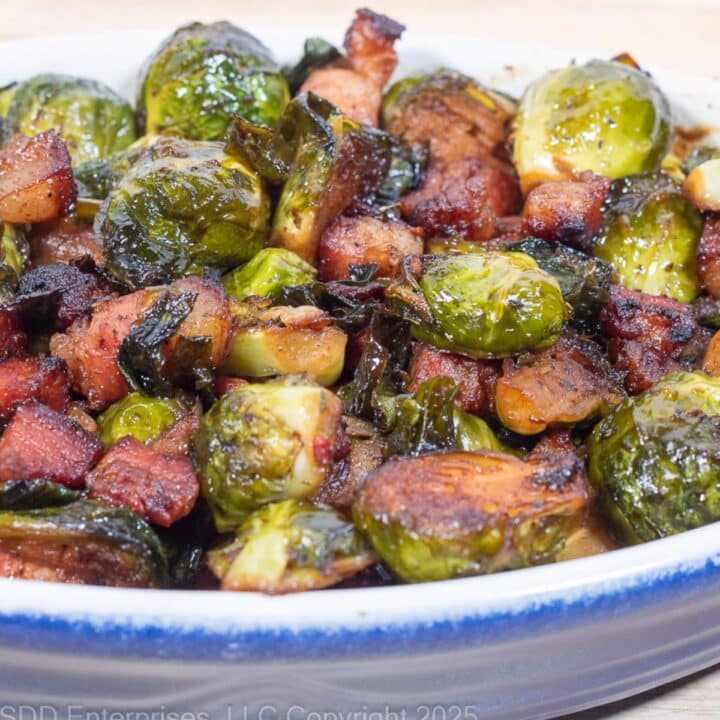
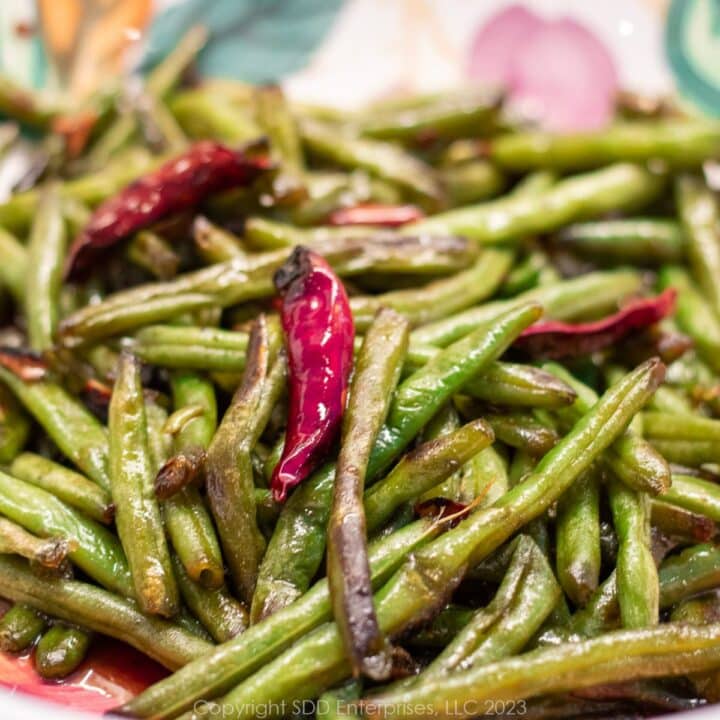
Here's another "candied" carrot recipe from Sweet Daddy D:
Leftover Tips
- Store leftovers in an airtight container in the refrigerator for 3 to 4 days.
- As the glaze chills, it will thicken and become slightly firmer because of the butter and sugar. Reheat gently in a skillet over low heat with a small splash of water to loosen the glaze if needed.
- Freezing is not recommended because the carrots may become overly soft, and the glaze can separate after thawing.
Tell Us About It!
Tried this recipe? ⭐⭐⭐⭐⭐ Leave a 5-star rating and a comment below!
📧 Sign up for email updates so you never miss one.
📸 Share a pic on social and tag us-we'd love to see it!
Yeah You Right!
Recipe
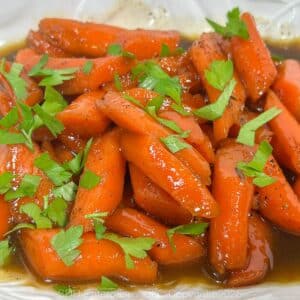
Cane-Glazed Carrots
Here's What You Need
- 1 pound carrots peeled and cut into equal sizes
- 3 tablespoons butter
- ⅓ cup granulated sugar
- 1 tablespoon cane syrup
- ½ teaspoon kosher salt
- ½ teaspoon white pepper
- ⅛ teaspoon ground allspice
- 1 small sprig fresh thyme
- Cold water just enough to barely cover the carrots
- 1 tablespoon cane vinegar
- 1 tablespoon butter for finishing
- 1 to 2 tablespoons fresh parsley finely chopped
Here's What You Do
- Place the carrots in a cold, high-sided skillet. Add 3 tablespoons butter, sugar, cane syrup, kosher salt, white pepper, ground allspice, and the thyme sprig. Add cold water to barely cover the carrots.
- Set the skillet over medium-high heat; cover and simmer for 5 minutes.
- After 5 minutes, remove the cover and continue simmering until the liquid reduces to a syrupy glaze that coats the carrots. This should take approximately 30 minutes depending on the amount of water used and the size of the carrots. Stir occasionally. The carrots should be tender with a slight firmness remaining.
- Remove the skillet from the heat; remove the thyme sprig. Stir in the cane vinegar and the remaining 1 tablespoon butter; stir until the butter melts and the glaze is smooth and glossy. Taste and adjust seasoning if needed.
- Transfer to a serving dish and finish with chopped parsley.
Recipe Notes
Nutrition Estimate

It's Me!
Louisiana is a wonderful place where the rich cultural heritage enriches and entertains. I'm Dave Howson, aka Sweet Daddy D. I'm glad you found my website and I look forward to exploring the cultural mosaic of Louisiana with you…
read the "It's Me" page to find out more about me and this website…
Sweet Daddy D says
You'll love these Cane Glazed Carrots.